Your Custom Text Here
The Monocle Guide to Building Better Cities
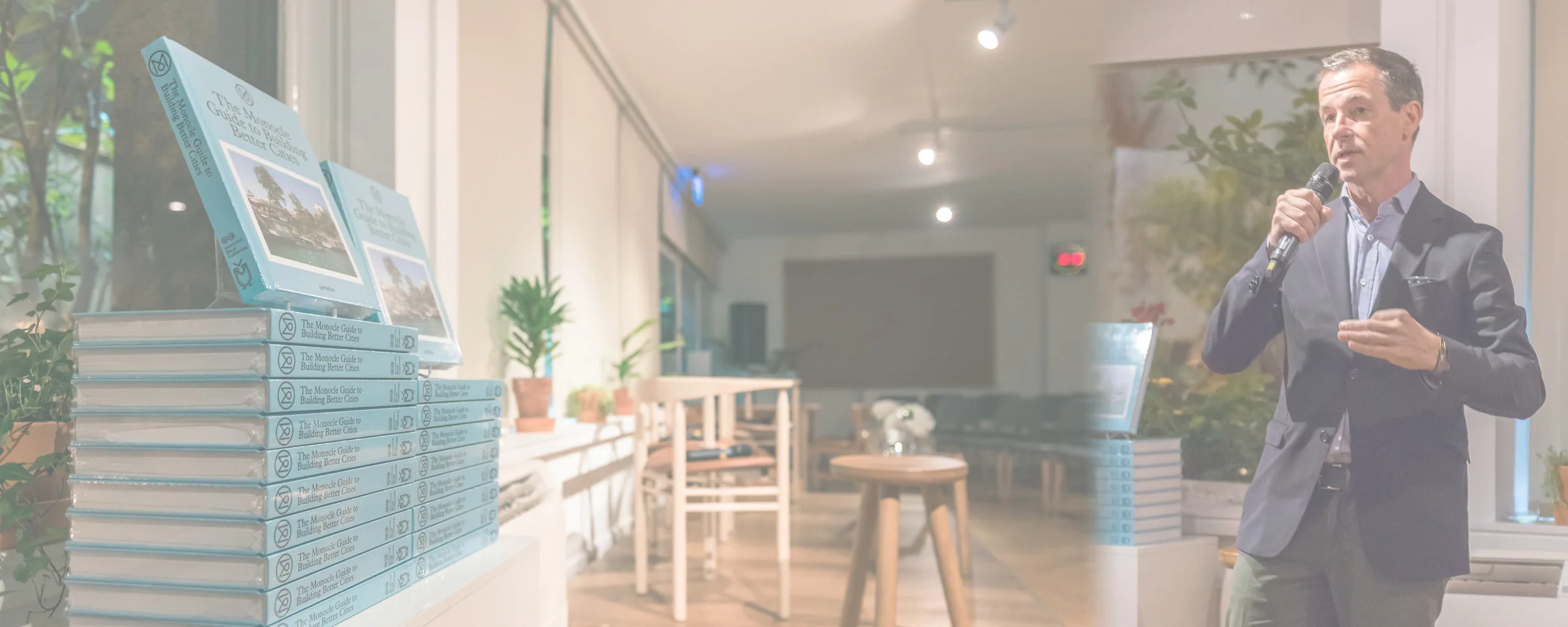
Interview with Andrew Tuck from Monocle
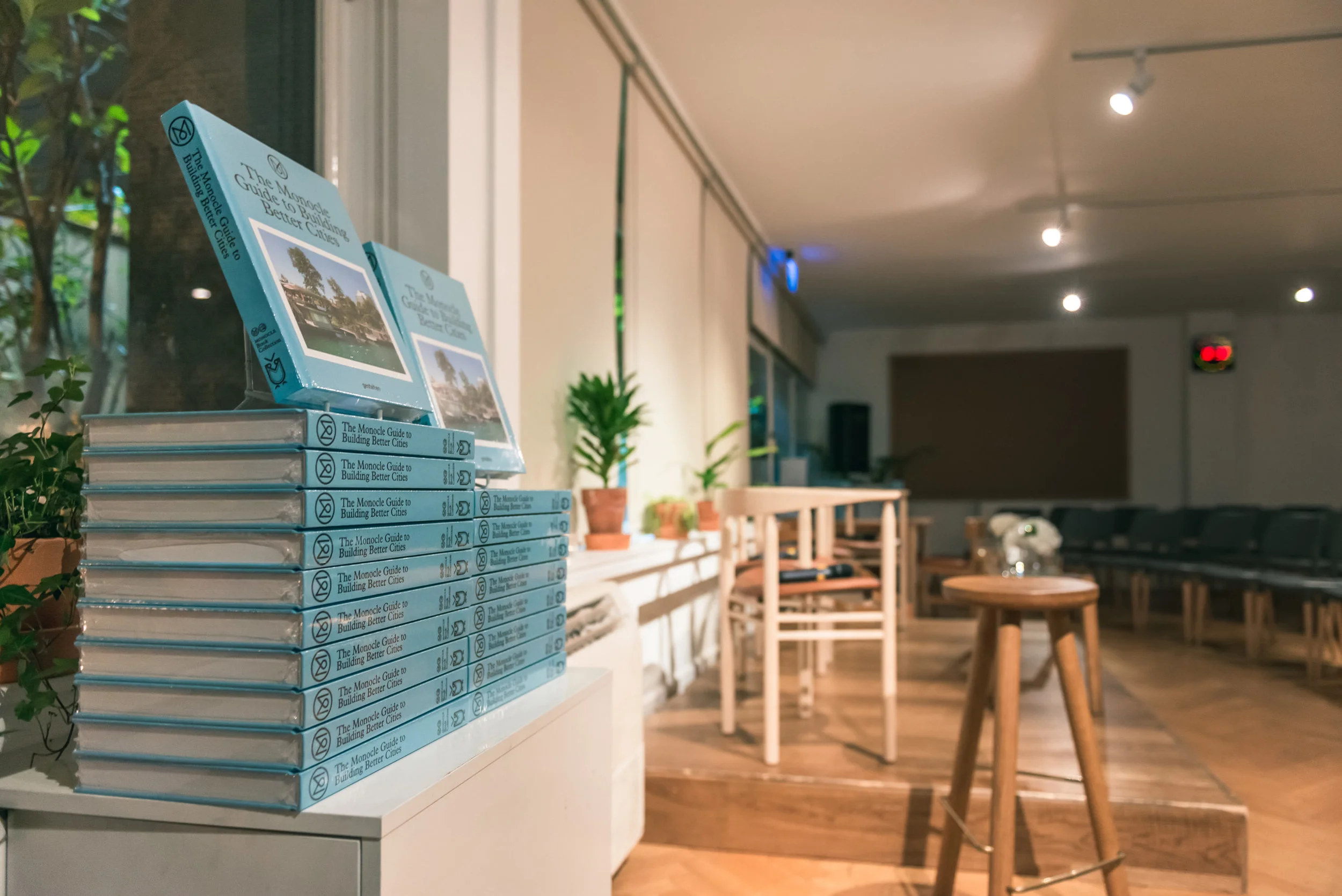
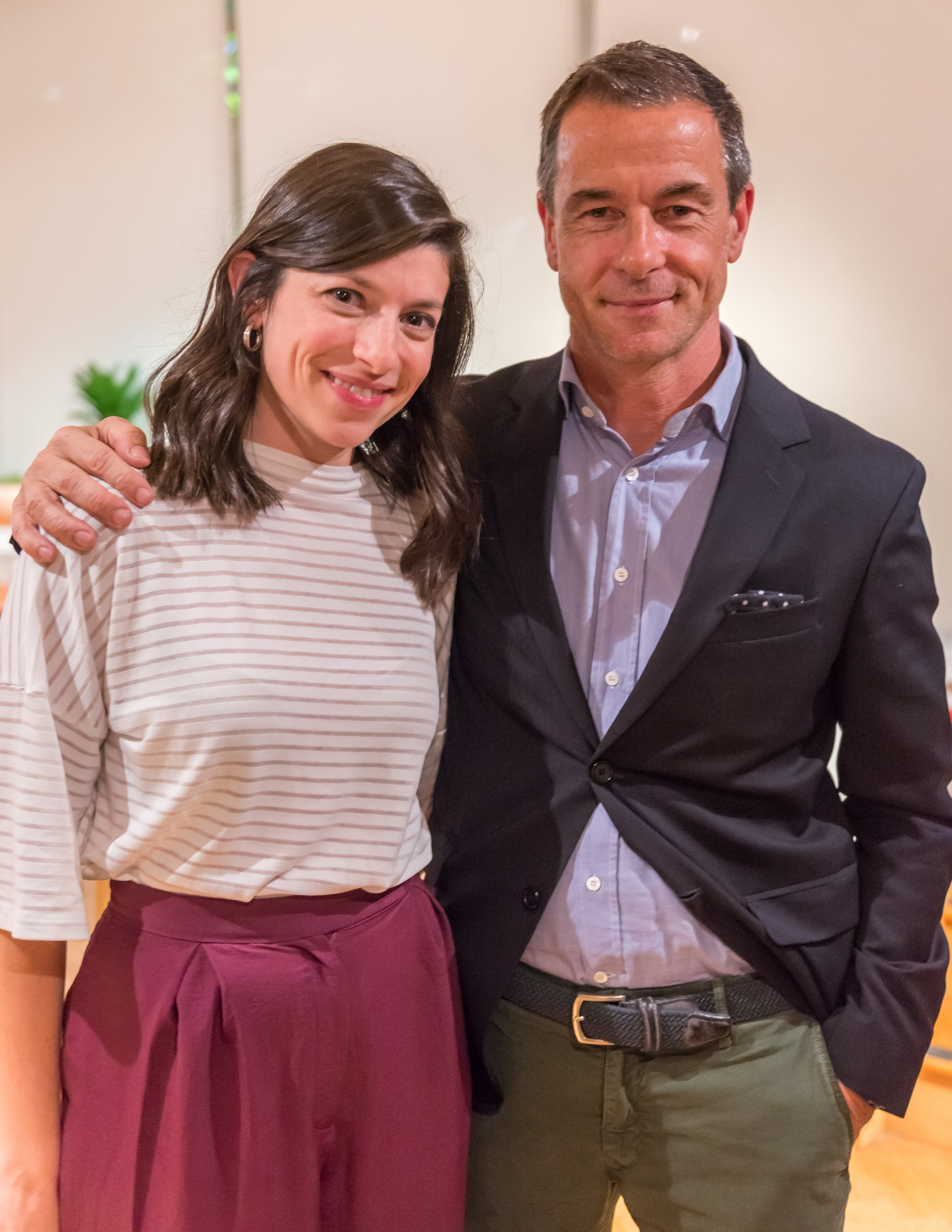
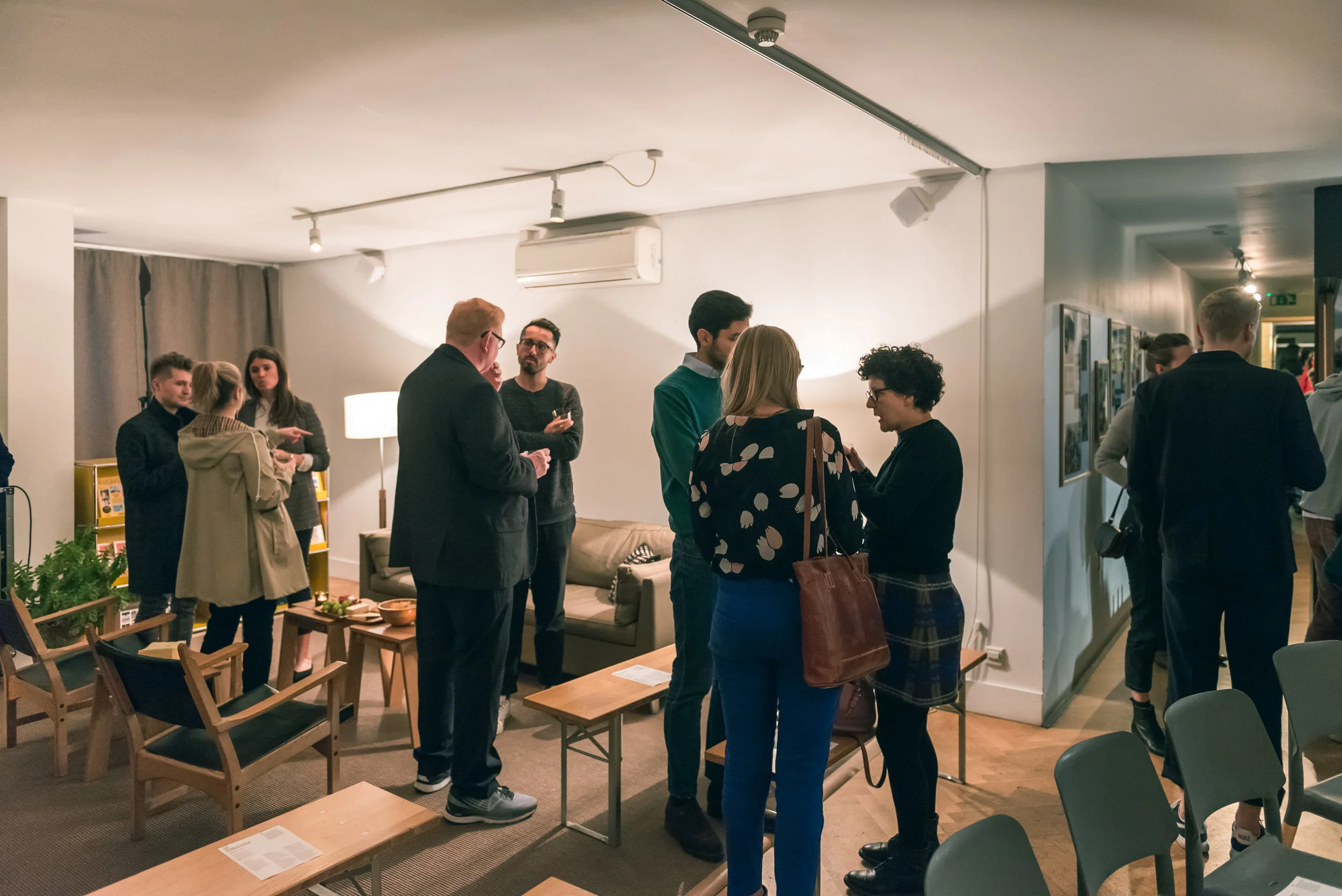
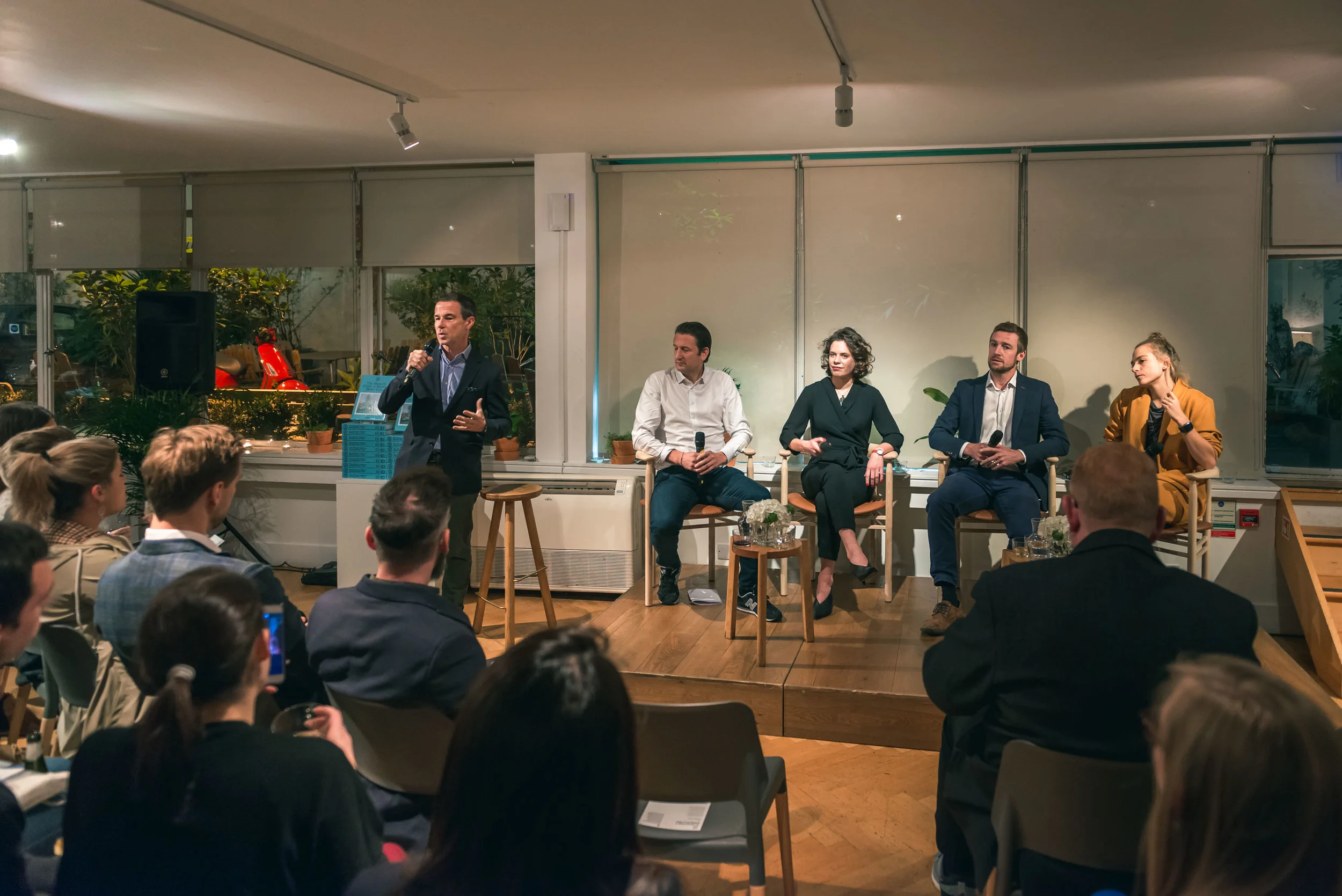
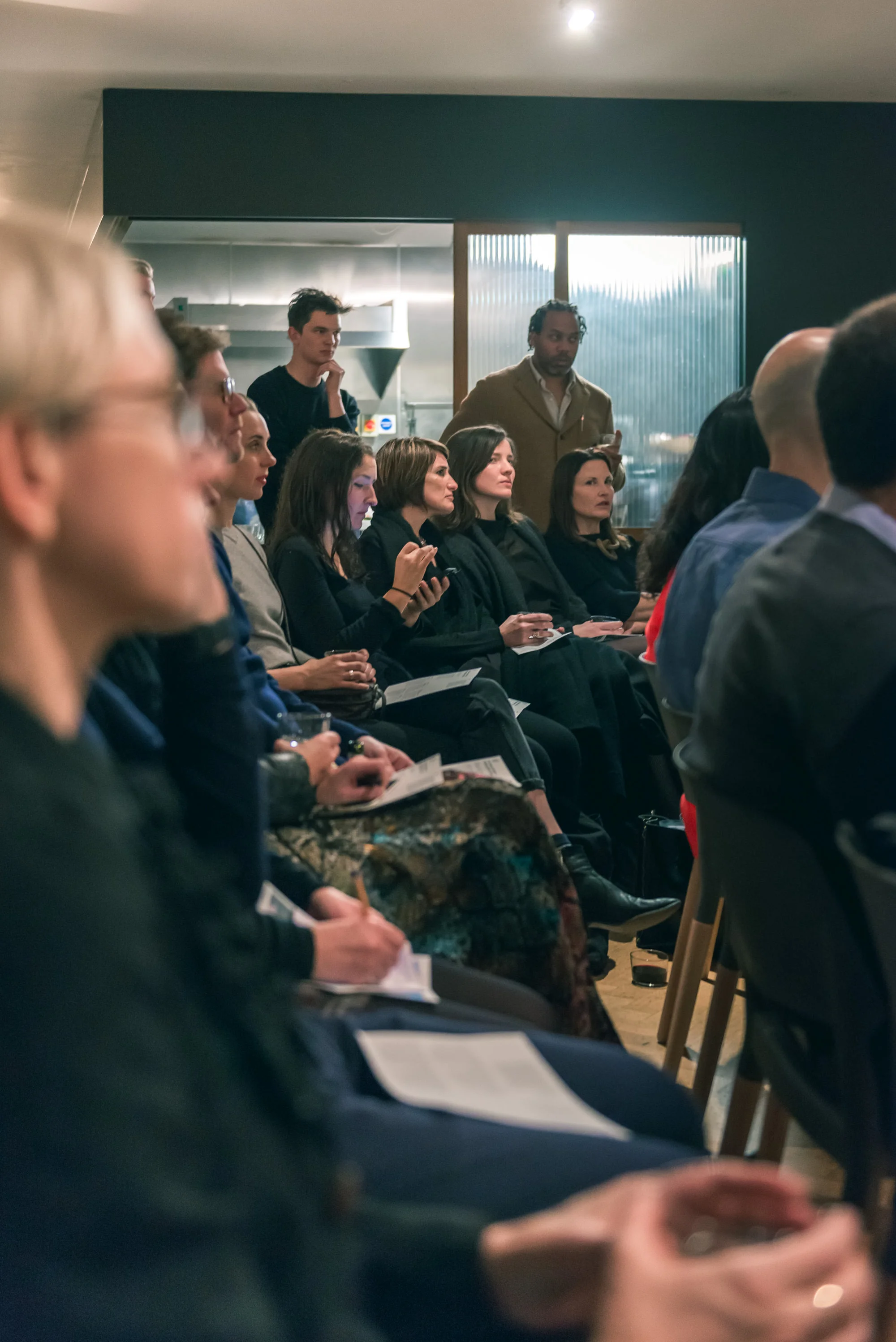
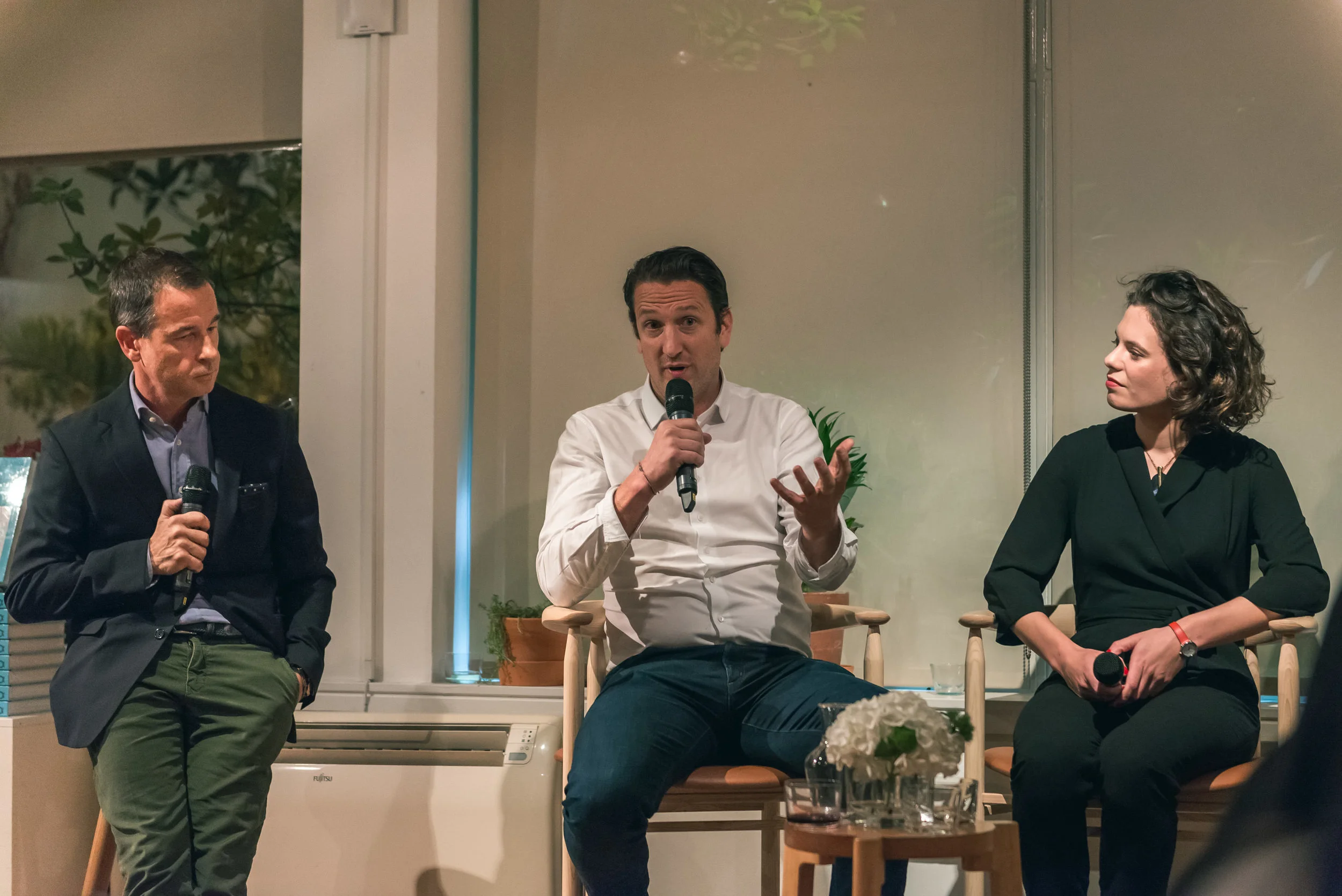
I had the opportunity, to attend, on behalf of Athens Voice, the book launch of Monocle, ‘The Monocle Guide to Building Better Cities’. I also got to sit down with the editor, Andrew Tuck, and have a wonderful conversation, about all those things that form a city. We focused of Greece, and the opportunities that the Greek Cities have.
Below you can find Andrew’s interview transcribed, and the link to the event discussion that followed. Hope you enjoy it!
—
You started with the Urbanist Radio Show, The Monocle Guide to Better Living, and now your new book, The Monocle Guide to Better Living is out. Can you talk me through the work, you and your team have been doing all these years?
So I guess the discussion about cities goes back to the very beginning of Monocle, when we run this survey, the quality of life survey, which selects 25 cities, where we think it would be interesting for you to live. The reason we did that, was because we saw that our readers, from the very beginning, were people, who through life, through culture, marriage and all sorts of reasons got to go to lots of different cities. And unlike most of the lists of top cities, which always seemed to be focused on education or health care, the things that they spoke to us, about what made them love a city or be intrigued by a city, were, how easy it was to get around. So mobility in a very broad sense, what the built environment was. If there was a park, that they can go to on a Sunday. And while, yes, it was great that you had x number of subway stations, in the end of it, often seemed to be these softer things around the city building and city making that had the greatest resonance with people, that made you feel that you belonged or didn't belong. You wanted to stay or you didn't want to come back.
We started to speak to civic leaders, architects, designers about not the things that everyone else seemed to be focusing on, like, Big Data, Smart Cities, Technology. We were trying to find the things that cities were doing to make themselves more liveable in a broad sense. And then, that notion of livability and what makes a city liveable got applied to lots of different stories, lots of different issues, and then it began to feed its way into the books that we do. The culmination of that is the new book, The Monocle Guide to Building Better Cities. But even if you pick up a travel guide, you will find some mention of urbanism in there. We've done a city guide for Athens. It's not just about going see the Acropolis. It tells you about how neighbourhoods function, about contemporary architecture, about mobility.
So the new book is about all the things that we've talked about, over the last 12 years. But it's also a bit of a suggestion to people, that you shouldn't leave urbanism to architects and to Urbanists and to City Hall and to Academics. Many of the things we are most interested about cities at the moment, started by one person, two people, 10 people, who opened their front door of the morning. I think you we need to fix this city a little bit. So, we hope it's a little bit empowering for people as well.
The book's only been out a couple of months, but the response has been super good. People like the fact, that it's a global tour, that finds benchmarks for success in cities, as varied as Sao Paolo and Moscow. It's not just the usual places, although there's plenty about Copenhagen and plenty about New York. But it takes you to some surprising places as well.
Your latest book is a very comprehensive work about all those elements, that shape a city. I particularly liked Chapter 5 - Urban Heroes. It's very important to engage all sides in order to contribute to a better city. It's very very easy for the residents to leave it to the architects, urbanists and designers, and for them to take a step back when politics and politicians come in the way.
I think it's interesting, isn't it? It depends what the issue is. Sometimes you need people to get angry and get cross and realise that something is about to be done to their city, that they don't like. And then they begin to rally around and take action.
I live in a neighbourhood in central London. And I notice all the small things that make it an interesting place to live. There's one of the cafes, that has a sign in the window, saying, if you are homeless, on a Wednesday come here, and we make free lunches. That's in a way doing something charitable and nice, but it's also addressing an issue of homelessness in the city. Across the road, people have put out benches in front of their shops so that people can stop and rest on their day. There's another cafe that puts out a water bowl for dogs to have a drink and then there's another woman, who puts plants out, around the bases of the trees in the street. Not extravagant things, but tiny, constructive changes, that begin to make a community. Because if you put plants out in a street, you're are hoping that nobody destroys or steals them. You build up social trust, you build up social capital in the area and all these people doing things not coordinated. But those are the kinds of very small things that begin to change your neighbourhood.
Lisbon is another city which had, in comparison to Athens, for example, a similar difficult time. It is has been lucky in the way that it's turned itself way around, but when you go there, there are people campaigning to protect the architecture. There is a demand, the money coming from tourism, begins to help the communities. So I think, sometimes, you want people to get angry about stuff and campaign, and sometimes, it's the small things that you can just do on your own. But all of these things begin to change. Then you begin to get a conversation around architecture about mobility and everything else.
In Greece, cities have a long-standing history and great legacy. One could say, that because of this, people never felt the urge to pursue more than their basic needs in infrastructure and amenities. But now, after a long time of austerity and decline, it might be the time for everyone to re-think and engage to a new model of development.
I wouldn't like to tell Athens or Thessaloniki, what to do. But I think what's interesting, first of all, knowledge becomes a little bit more traded. So for example countries like Greece, Portugal and Italy, where you have large diasporas. People like yourself come into work in other cities. The knowledge is gained at that, gets somehow sent back home or connects with other people back home. So it's very hard for cities these days to remain isolated. Plus, the cities are in a game of attracting talent and capital and revenue from tourism. In order to do that, people have to up their game again and again and again. You have to think, how long does it take somebody to get from the airport into the city centre, once they're there. Are they going to feel safe and secure? When they have free time, are there cultural opportunities for them to explore? What do we think the ideal height is for apartment blocks, if we're going to keep this city feeling dense, but liveable. Some cities can ignore that for a little while.
It's interesting, when you get a convention of mayors, when you see like 40 or 50 mayors attending something like City Lab or C40 Mayors Summit. The conversations, they are having are very similar. They're all facing very similar challenges and they're aware, that unless they are competitive, then you have population decline, and then you lose your talent. Sometimes you can't do much, because of the greater economy, but only if you make it a very liveable city, it still attracts people even in difficult times. Lisbon is an amazing example of that, a city that had a terrible time during the global recession, but realised it had a lot of opportunity, it had a lot of housing stock that could be upgraded. It was cheap to do things, they had a talent pool of craft people, which had not lost. It could go back to manufacturing things. They had a capacity because it wasn't that much tourism at the time. Now you see, that it is still not in a good place yet. The tourism numbers are a bit high for the city to cope with on, that public transport for example and the tram has become just a photo opportunity. But actually on the whole, they've managed to change well and they've made themselves a competitive city. They said 'okay we have to attract international talent'. We should be a place for Startups. We should be a place, where you can especially come if you're in the fields of technology, they've encouraged their business schools to give lessons in English. So suddenly they're getting this international connection and they do have a good ally.
Not all these lessons, are transferable but it's a good place to start.
Tourism plays a big role in the transformation of a lot of the cities world-wide, like Venice or Barcelona. Tourism is the main source of income in Greece at the moment. But in Athens, the city centre has become a big Airbnb. How can we avoid turning our cities into a museum?
I know, I think it's a huge problem. So first of all, I think you need to think of things you need to put controls on it. There's a balance. If you live in a city, where many people don't have access to full time jobs, where it's difficult for them to earn the money, to give their kids the kinds of life they want, and they see that they have an opportunity, to rent out a room for example to a tourist and make some money. I don't have a problem with that. I think that's a positive thing. But what we've seen in most of these cities, is that investors have come in, often not local people, and bought up a large amount of apartments, which they then only let through Airbnb and this destroys the community. It turns the local grocery shop into a hipster cafe and then you begin to lose the very reason, that people came to the city. Whether that's in the heart of Paris, the heart of London, there have to be controls on it. Because otherwise it's deadly. And I think that's the first thing you have to say. There's a cap on the number of nights you can do it. And I think also, you should stop the investor class coming in, to take over these properties. It's a different thing, if it's in your own home and you're there and you're hosting people, because then it's interesting for the tourism, is interesting for the community.
I'm a big believer in the hotel. For me, people stay in a hotel and it's not an international chain, it's a local hotel. It employs a lot of people. It has security and trained people. You need people to wash the sheets, to make the food, tend the garden, those things. And it's up to the cities as well, to help those hotels, be the best they can be. So in Barcelona for example they told a lot of hotels, they couldn't have seats outside or tables outside the hotels, because they wanted to kind of control and keep in many of the hotels, but in a way that's the mistake. You should make the hotels successful, so the people stay in them, and not just go to Airbnbs.
The debate about tourism is interesting, because in Venice for example, many people in Venice say we don't need the cruise ships. We shouldn't have so many people. I agree, these cruise ships are too big, too many people arriving at one time, but we went to Venice in the summer for the Architecture Biennale and it was beyond St Mark's Square, you only have to go 500 meters, and there's nobody. It's very very contained and these are the problems of tourism. It's contained to tied periods of time, small locations and you need to disperse people but I'm not 100 percent sure, that I always agree with the campaigns against tourism, because they seem to target mass tourists. Well actually that's kind of saying well people don't have a lot of money shouldn't be allowed to travel.
I was in Greece in the summer, staying in a hotel. The guy, who was looking after the pool, was an architecture graduate. And he was there last year. I said, 'what did you do in the winter'. And he said, 'I did nothing'. I waited for this to start again. So you can say tourism is bad, and you get rid of that, but then you wouldn't have a job in either. I think it's complicated, it needs management, it needs limitations. You have to push people, not to damage the environment, you have to make sure, the money goes back into education and to local resources. It is not as simple as saying let's just turn off the tap and stop it.
Images: Andreas Lostromos Photography @meletispix
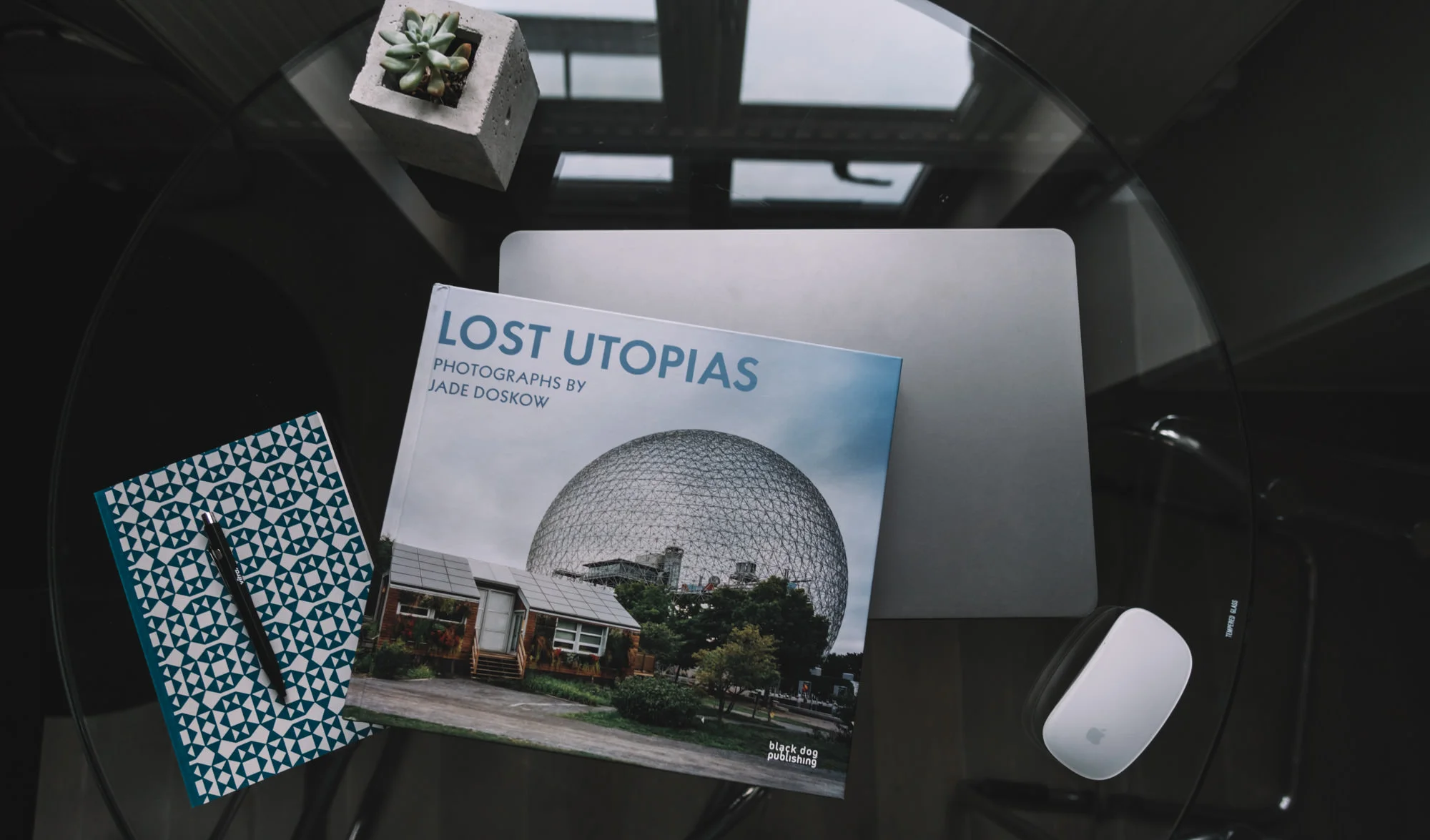
Lost Utopias by Jade Doskow
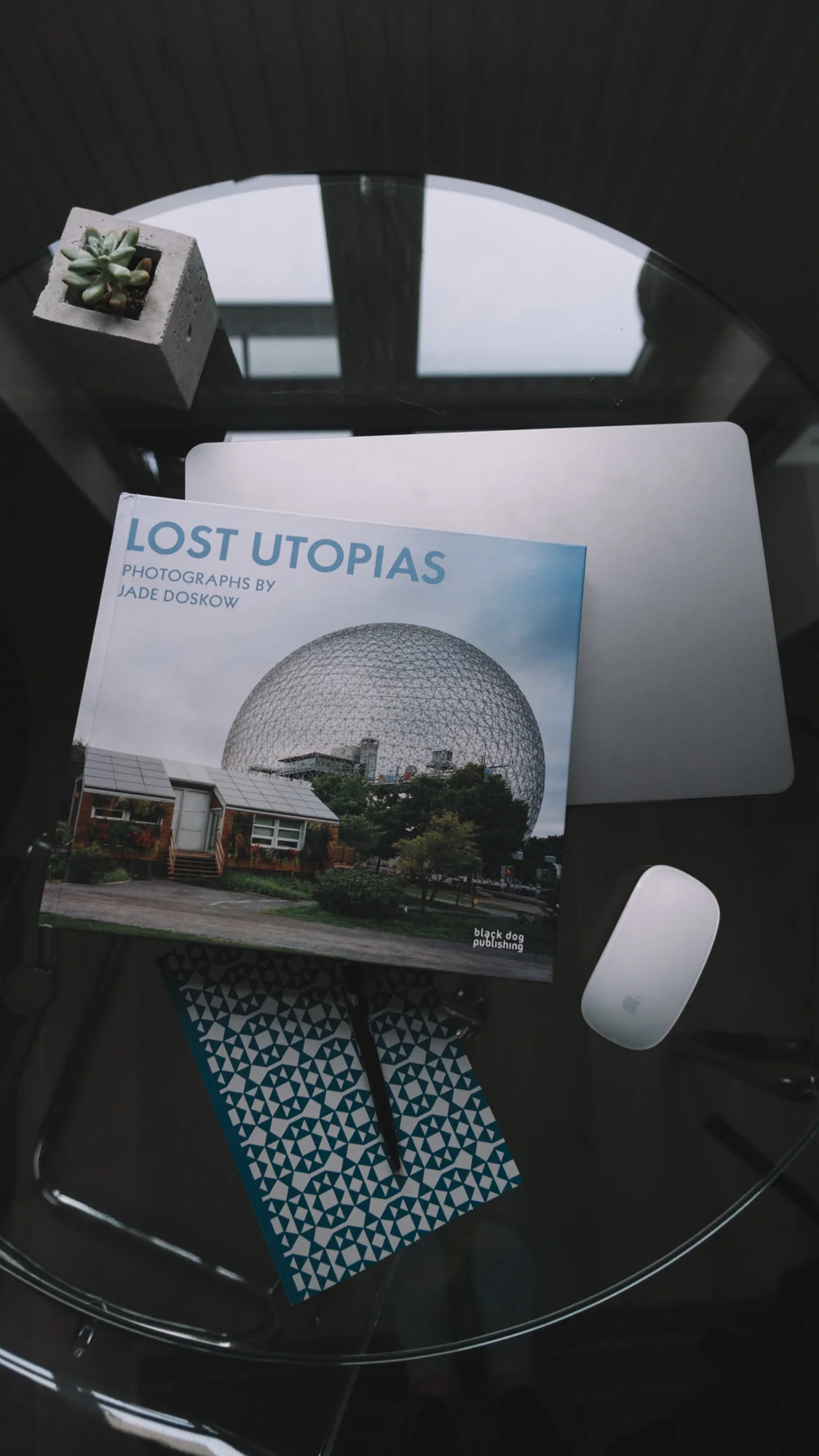
World Expos. Always in the spotlight as long as they last for. Millions of visitors, thousands of exhibitors. A real architecture fair. What happens though, when the lights go out and people leave?
Since 2007 the American photographer Jade Doskow is documenting the architecture and landscape of the past World Expos. Monuments in a dystopian environment standing there and time passes by. On the other side, landmarks that are worshiped everyday by people, whose vast majority don't know their initial reason of existence.
I am delighted to have spoken with Jade and she answered my questions about the project and her future plans.
--
When I read the title of your project in Dezeen and saw the front picture, I couldn't wait to read and see more. I read that everything started during a family trip in Seville. What triggered that idea for this project? Where you looking for inspiration or did the idea appear in front of you?
As an artist it is important to be in that certain ‘zone’ for inspiration to strike, a feeling of being relaxed and open to what may come. On both a subconscious and hyperaware level I was always very in tune to the history of things, the swirling of past-present-future around me at all times, from when I was young, living in a 300+ year old house, to when I first moved to New York and could bear witness to the rapid and constant transformation of the cityscape around me. And as traveling often causes a new receptivity to form and concept, it was a ripe moment for the realization that this could be a fascinating project to research upon seeing, for the first time, a dilapidated, vast World’s Fair site. The starkness of the contrast between the 1992 site and the city of Seville struck me immediately, as the city is old, grand, breathes its history and presence with every bit of stone, as compared to these somewhat garish postmodern 1992 Expo buildings, white but a bit weathered, weeds growing throughout the walkways and canals and courtyards, and not emblematic of especially exciting contemporary design. There was a resignation and confusion to the site and its state of half-use which was exciting to me.
I understand that such an idea for a project can be really motivating. I took you twelve years to finish the first part of your project, during this time I believe you did a lot of research about the sites/pavilions and how to access them (or not). Was it easy travelling across America and Europe, spot and access these sites?
I have spent much more time researching, planning, and doing post-production work with this project than actually out on shoots, which is often the case with such work. For all of the sites I would first spend studio time studying original fair maps, and lining them up with Google maps of the site as it exists today (or whenever the Google cameras documented them), assessing the boundaries, the structures and sculptures that still exist, and access points. In the first few years I would just show up to the site and shoot, with varying degrees of success. While often these are large public parks today, there are often city events for which sections of the parks are closed off. On my first shoot in Montréal in 2012, an entire island was closed to the public—-and photographers—-for a semi-private Nascar event. I have also had mixed results for specific structures, such as Habitat ’67, also in Montréal, which is a private housing residence and so not particularly open to photography. Over time Lost Utopias attracted positive press, exhibitions, a presence, and I then had the reputation to approach site directors, coordinators, and controllers ahead of time, and they were often quite thrilled for their city and architecture to be part of the project. I have worked with wonderful people in many of these cities who gave me off-hours site access and assisted me in making the work—-probably the most magical of these experiences was photographing at 6 a.m. in the St.Louis Zoo, hours before public admission, setting up among the wild calls of large birds and animals, a mist hovering just between me and them as I made the pictures.
I also had to spend a lot of time fundraising to make this work, and this was quite time-consuming as well. In fact, I am about to dive back into grantwriting mode to fundraise to photograph all of the Asian sites over the next year or two.
As an architect, traveler and amateur photographer, every time I visit a place, I do a research about the places I want to visit. I am very well aware of that feeling, when you approach a place or building that you know and have been reading a lot about. How did you feel during your expeditions to the old Expo sites? Some of these places were once full of life and now standing there abandoned. On the contrary how did you feel visiting the ones that still remain popular and have become landmarks?
I enjoy mystery and intrigue, so certainly the sites that were less touristy were more exciting and atmospheric to spend time in and to investigate visually—-for the most part. Early in the project I read Erik Larsen’s excellent Devil in the White City which sparked a fascination specifically with the 1893 Chicago site. As perhaps the most well-known American world’s fair, at least of the 19th century, the contrast between what existed, magnificent, sparkling, vast, and grandiose, as compared to what is left—-a large, wild public park and one building—-certainly sparked my imagination when working. The Eiffel Tower and related icons provide a different challenge, which is how to photograph in a more complex, nuanced manner than the typical ‘postcard’ view. How can I describe the past-present-future in one picture? How can I talk about city design and preservation in one picture? The Eiffel Tower picture was one of the first such icons that I photographed in the project, and the obvious thing it felt to do, once there, was to frame the 1889 tower within the Trocadero and Palais de Chaillot—-which were constructed later for the 1937 exposition—-and also within the context of the tour buses lining up, thereby in one picture describing the structure itself, the vision which Paris approached the site by reusing and adding to for future expositions, and the current reputation as arguably the most popular tourist attraction in the world.
Some of the architecture still exists as exciting and breathtaking as it was when constructed and were thrilling to photograph even as tourist destinations. Specifically, I am thinking about the photograph Seattle Science Center - Arches at Night. These gleaming, bone-white arches rose high above the site, in stark contrast to the black night sky, ethereal, airy, extremely 1960’s and simultaneously futuristic in design.
Could you please tell me a bit more about the camera you are using and what made a good composition for you? Are you going to continue capturing these beautiful photos with the same equipment and composition principles or are you going to have a different approach for the next part of Lost Utopias, using what you have learnt all these years?
All of the Lost Utopias photographs were captured with a large format 4x5 film camera. The first year I was working with a more compact wooden Wista field camera, and then I moved on to a proper architectural Arca Swiss, so about 40 pounds of equipment. This approach is not dissimilar to what the early photographic pioneers would have used for the early world’s fairs. It does take a long time to set up, and unlike a digital camera, in which you can quickly capture the moment, with a large cumbersome camera there is a delicious frustration as often the moment or light passes and I must wait and wait and wait for another such moment of clarity and perfection in light, time, and movement. Using this equipment forces a more thoughtful and aware approach, and is also a much more formal way of picture-making. As the types of film are becoming less readily available, I am researching digital large-format options as a possibility for future work.
--
After finishing the North America sites in 2016, her project Lost Utopias has been published by Black Dog London. She now wants to focus on the Expo sites outside Europe and America, and want to visit other areas in the world like Japan, China, South Korea and Australia.
You can find more about her work at http://www.jadedoskowphotography.com/
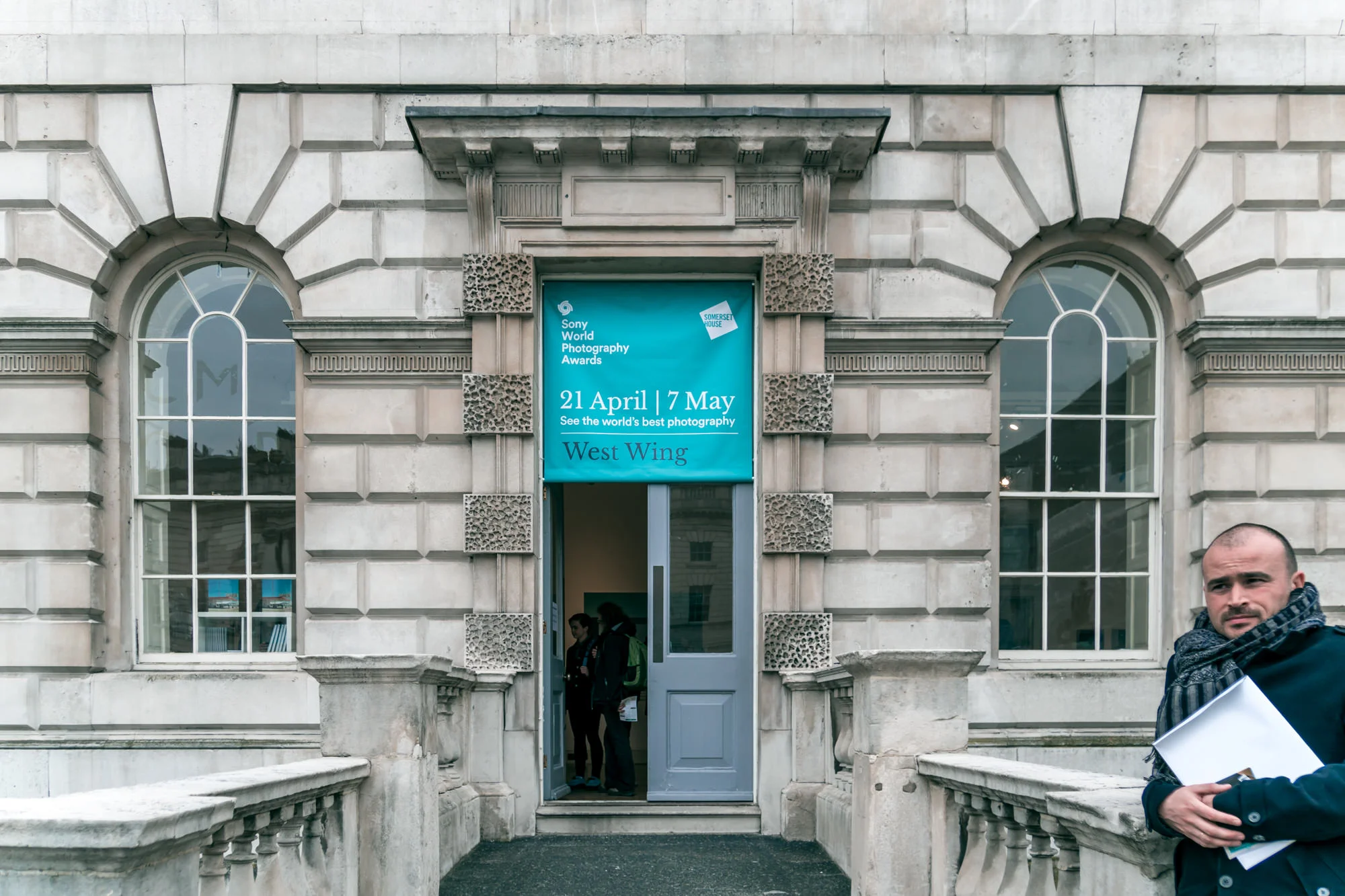
Sony World Photography Awards
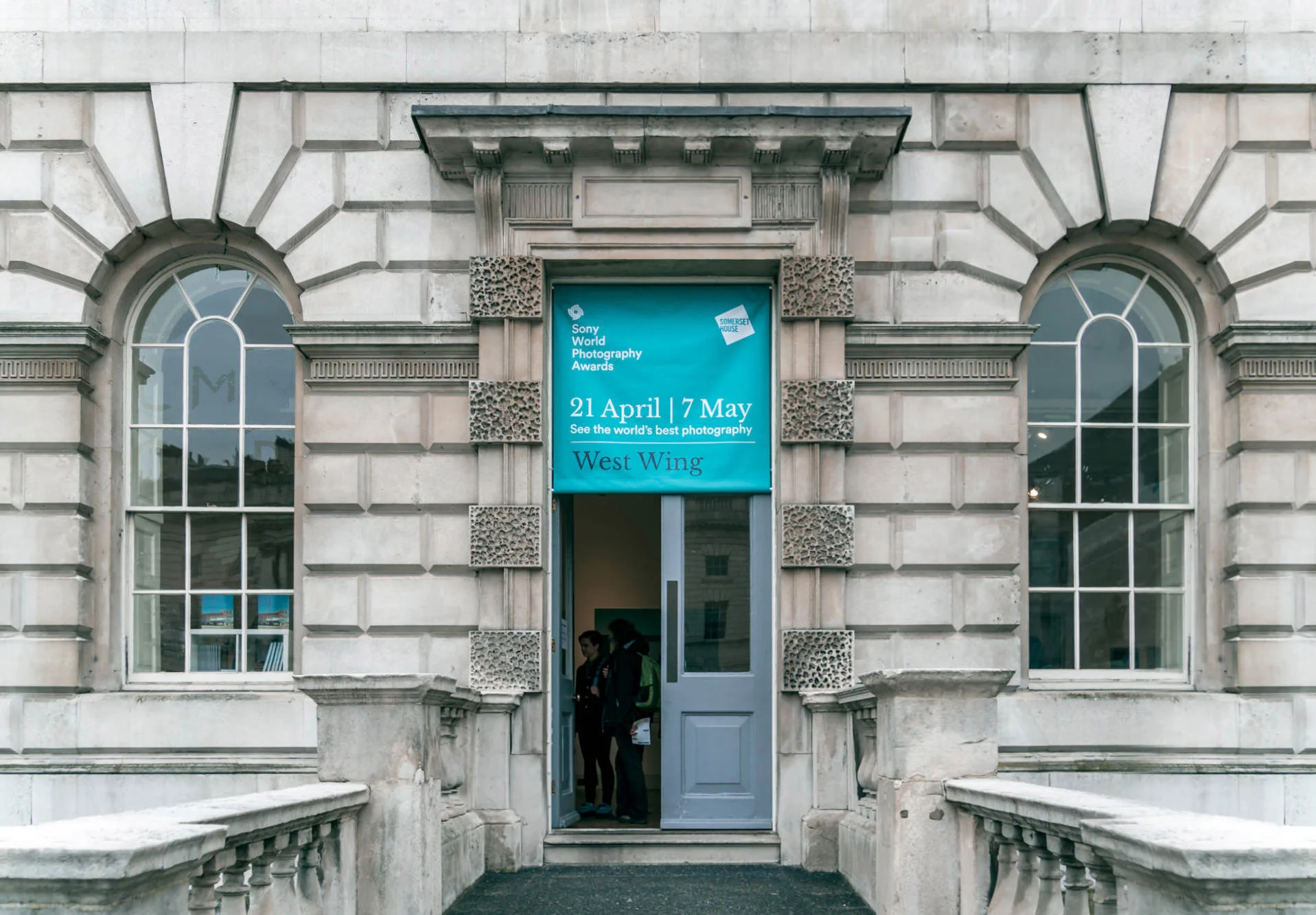
Sommerset House 21.04.2017 #swpa
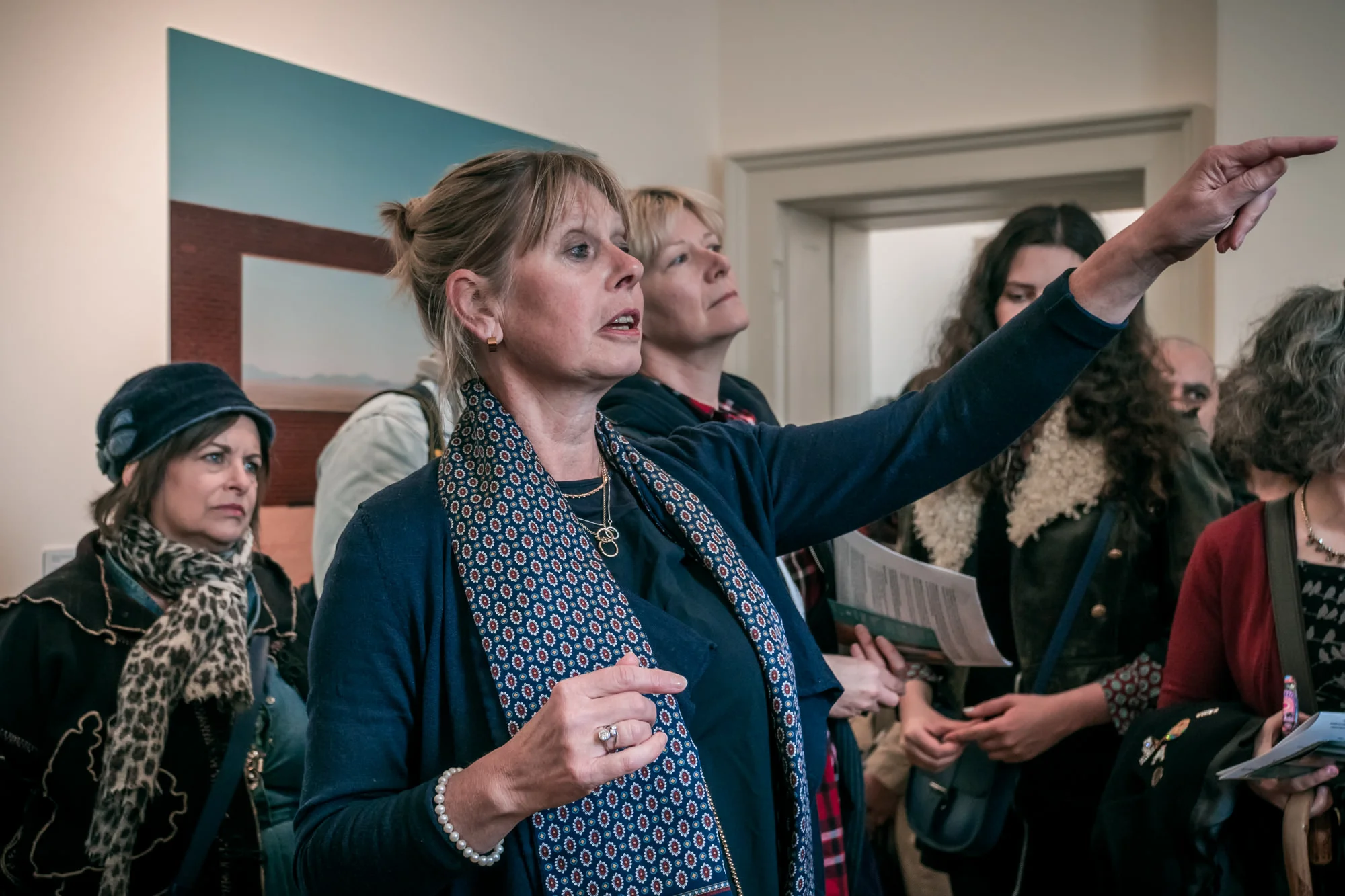
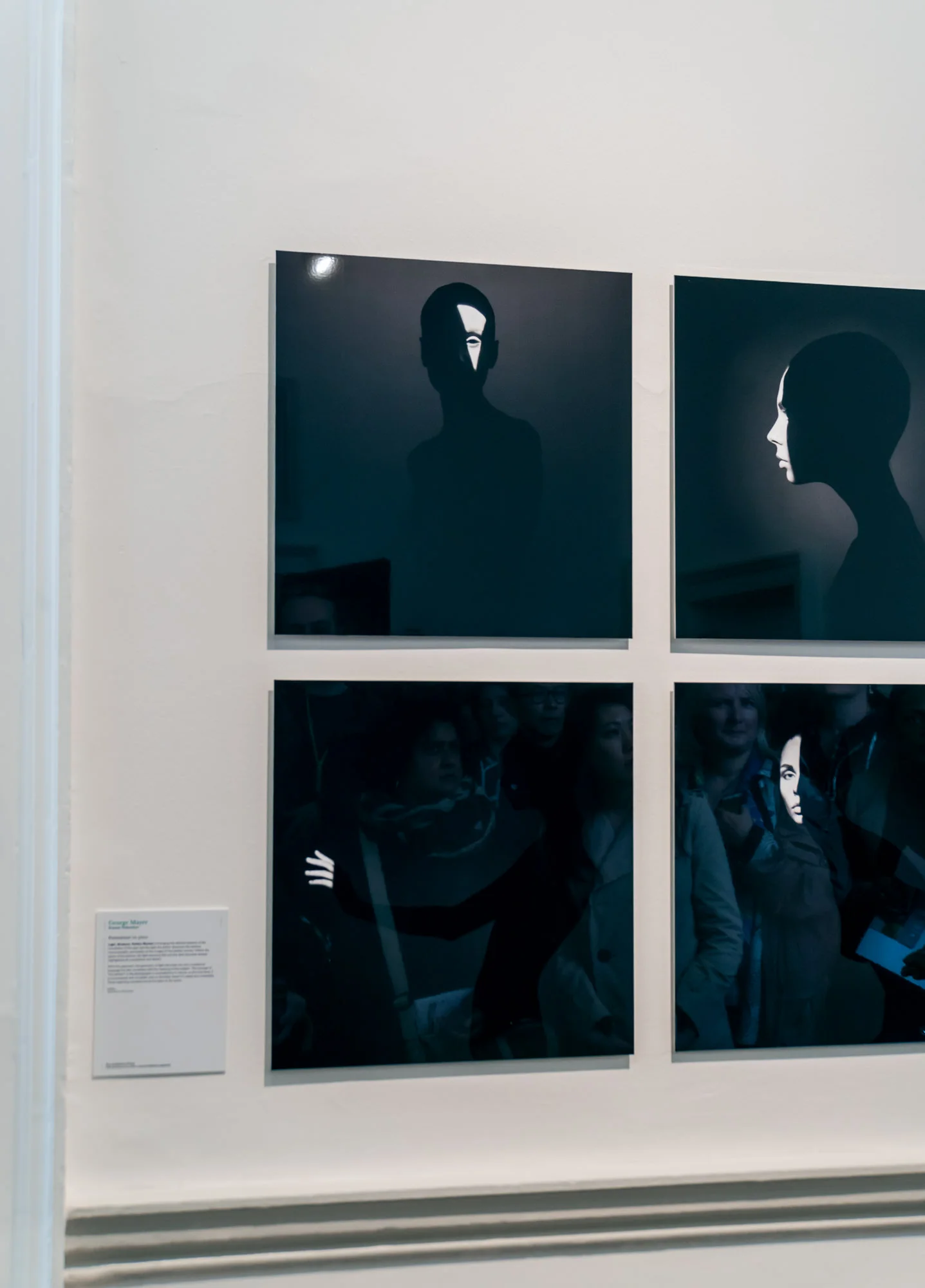
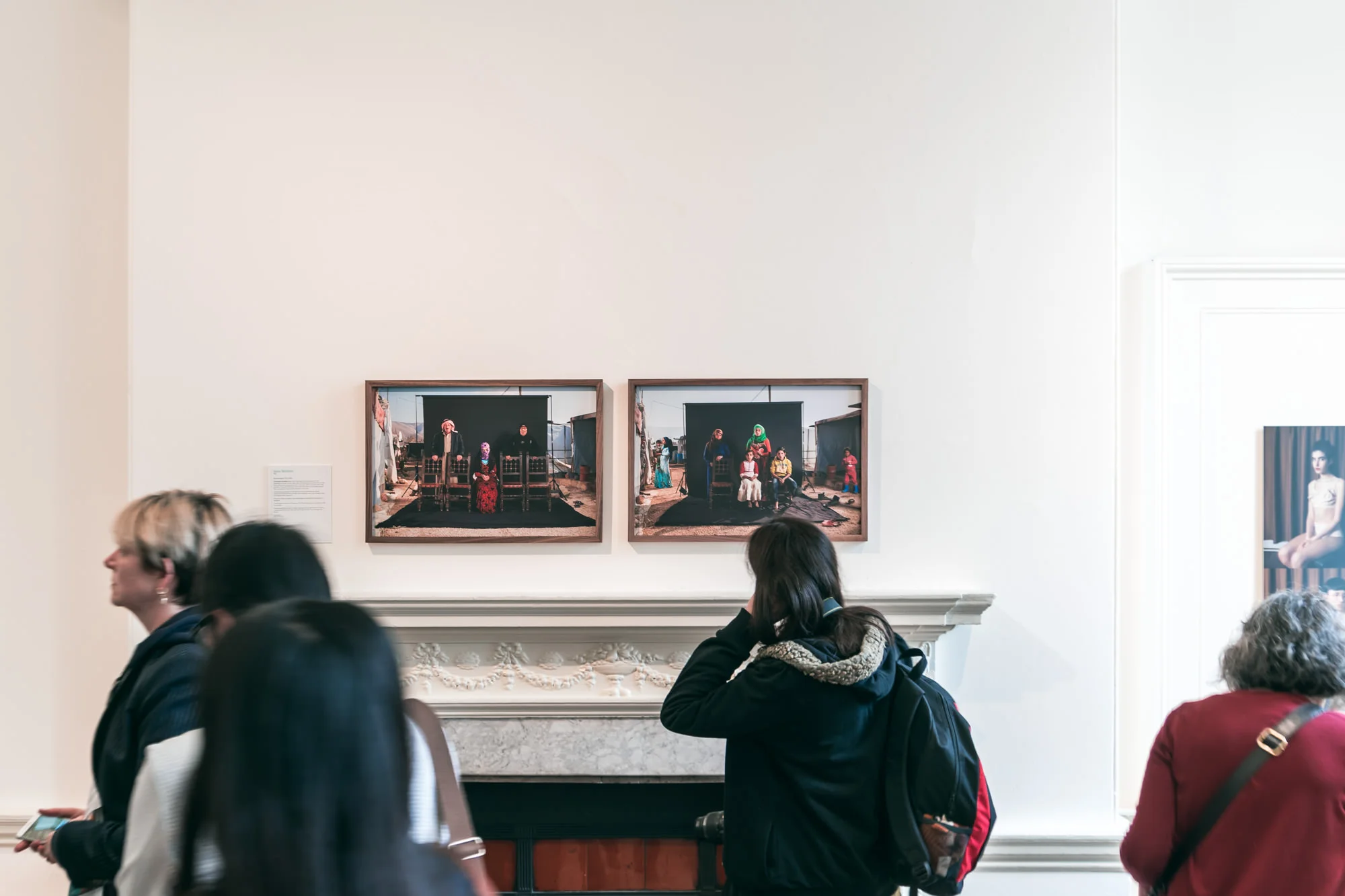
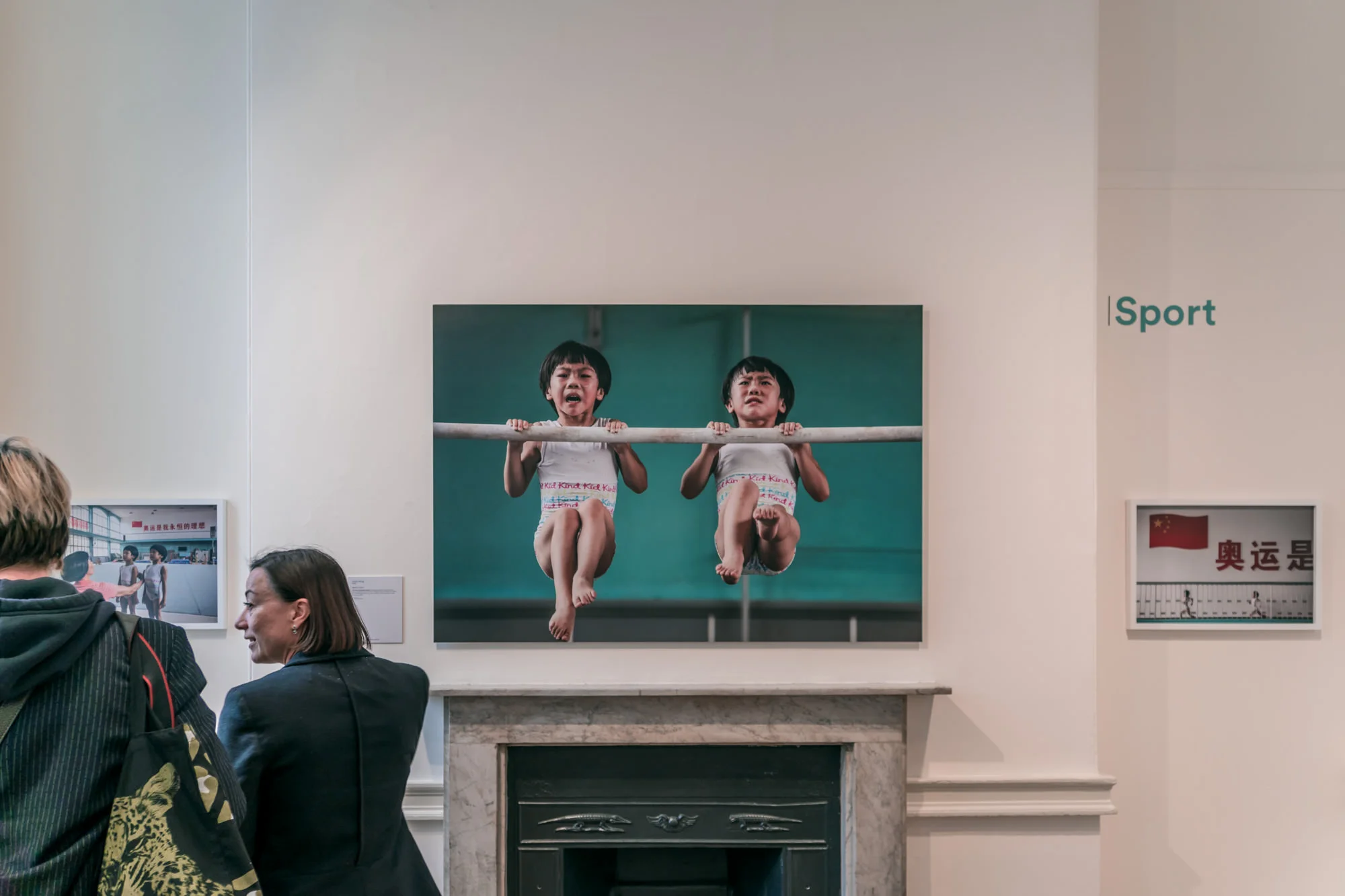
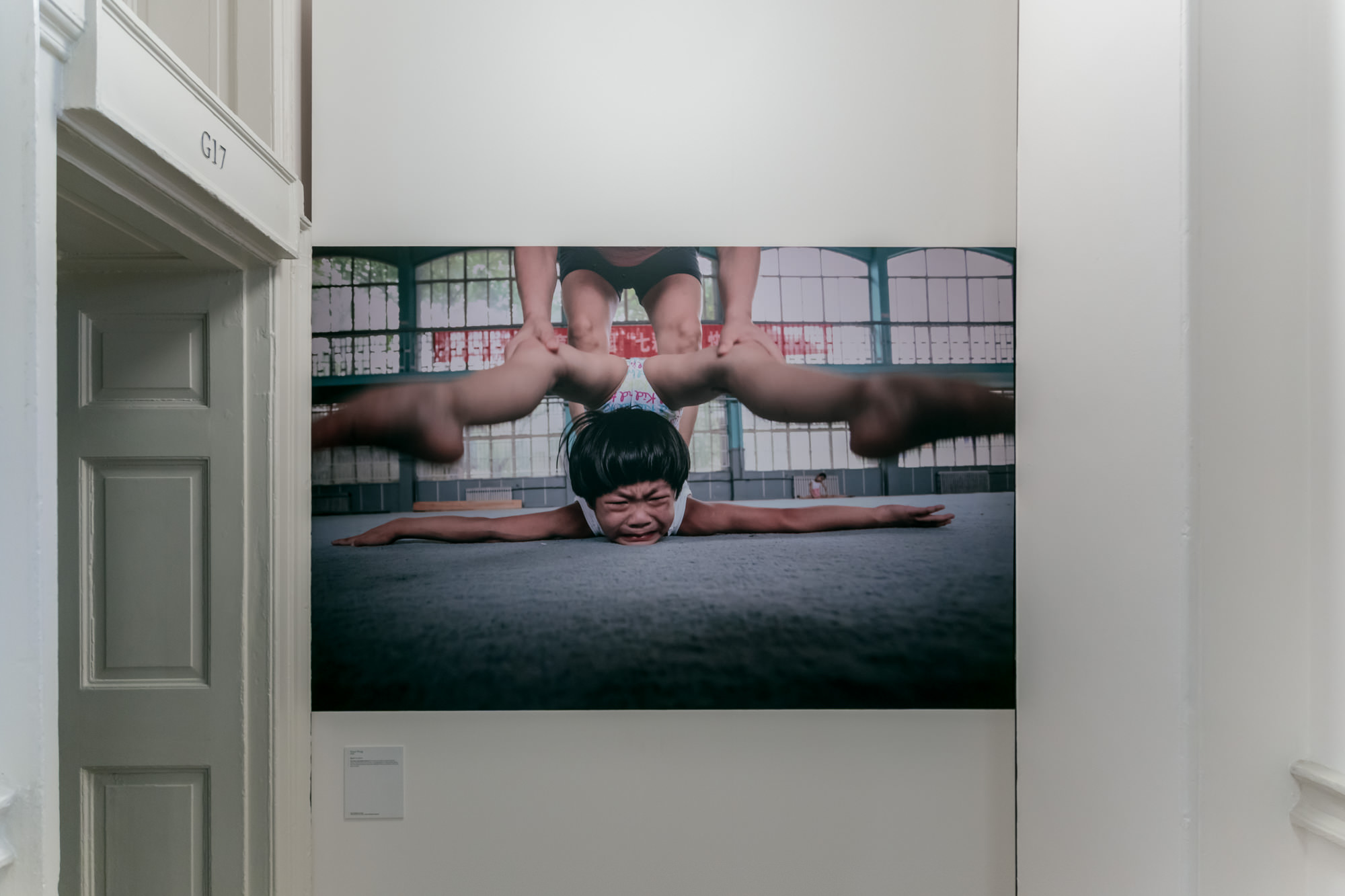
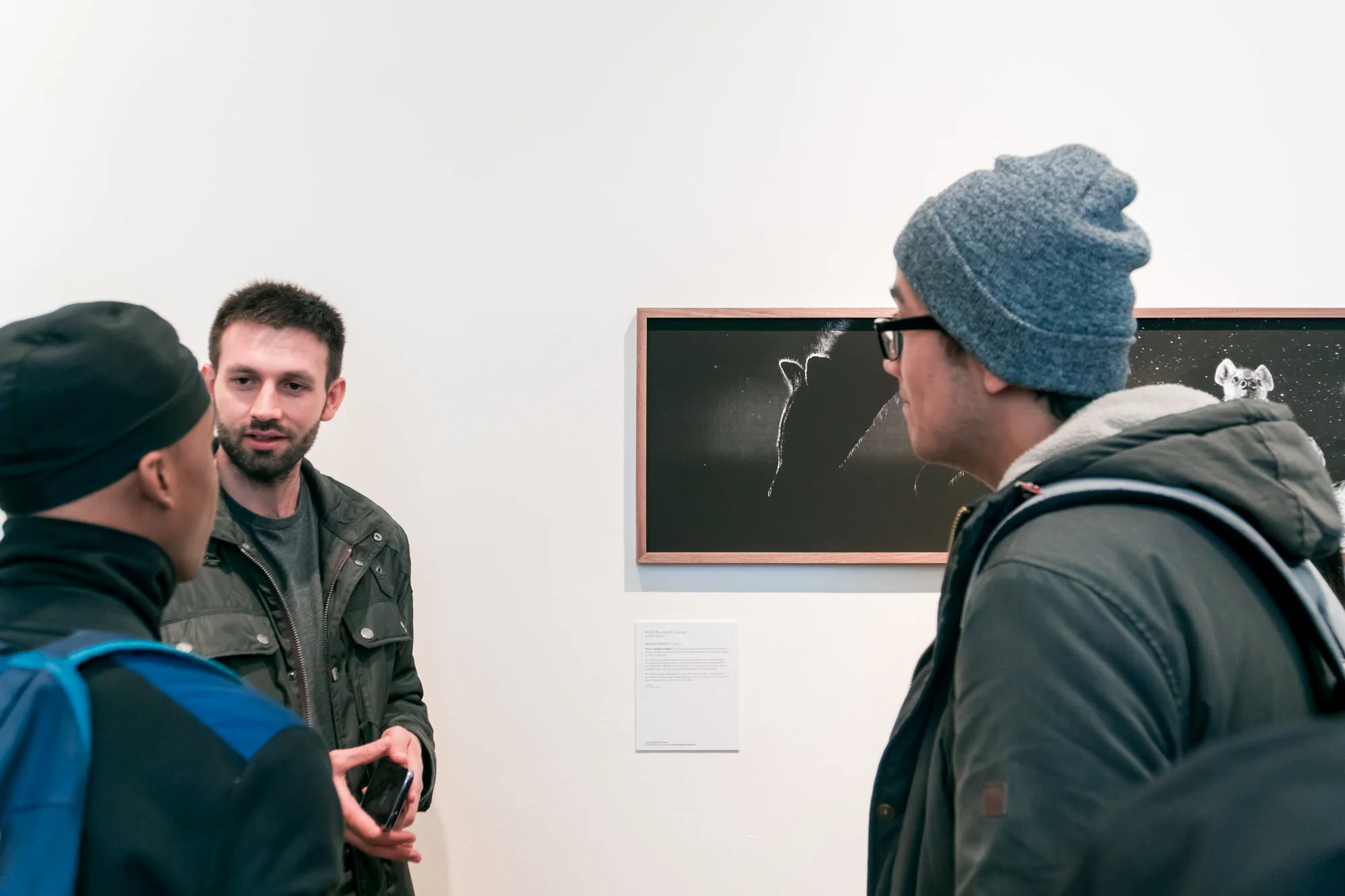
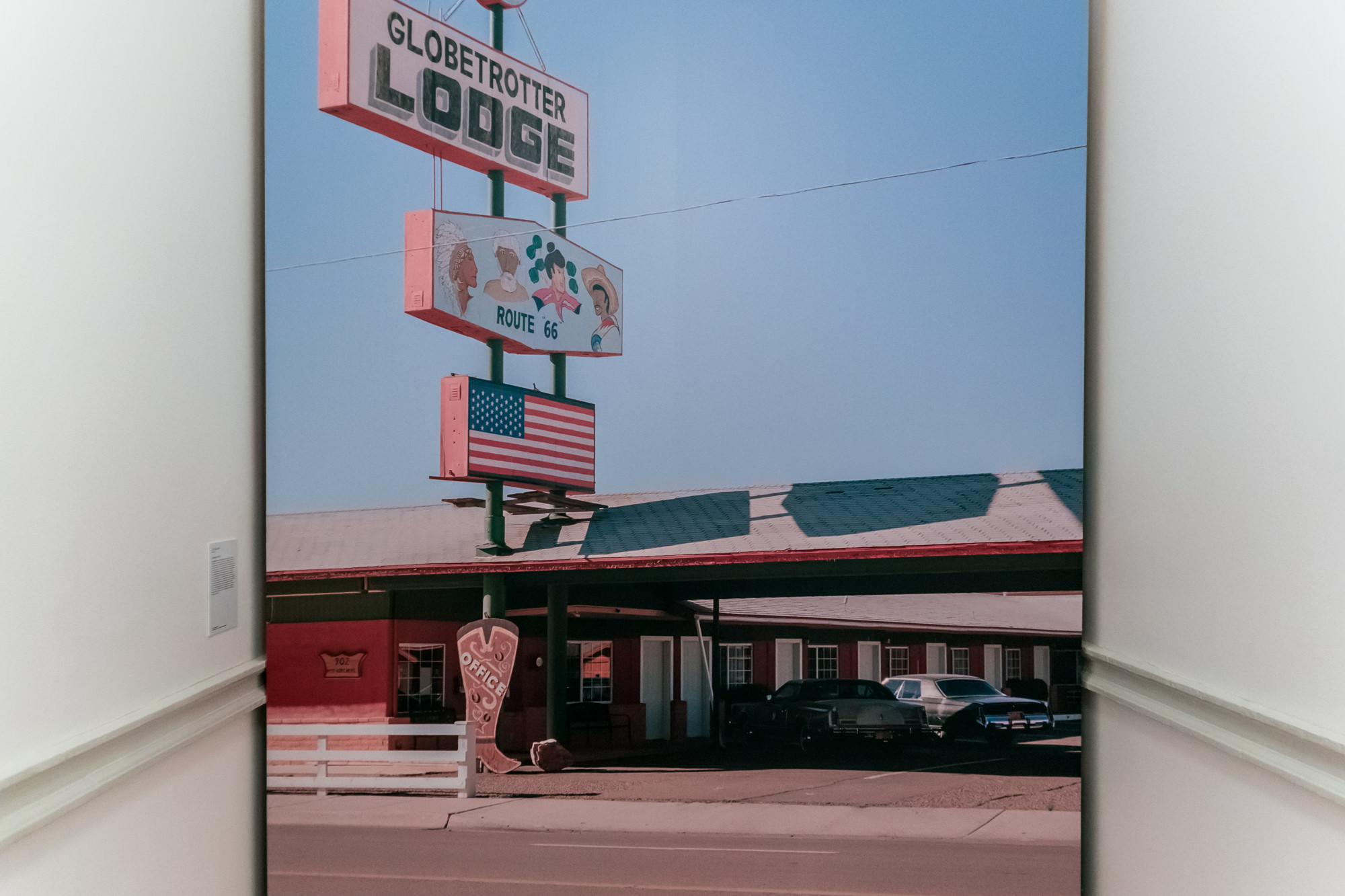
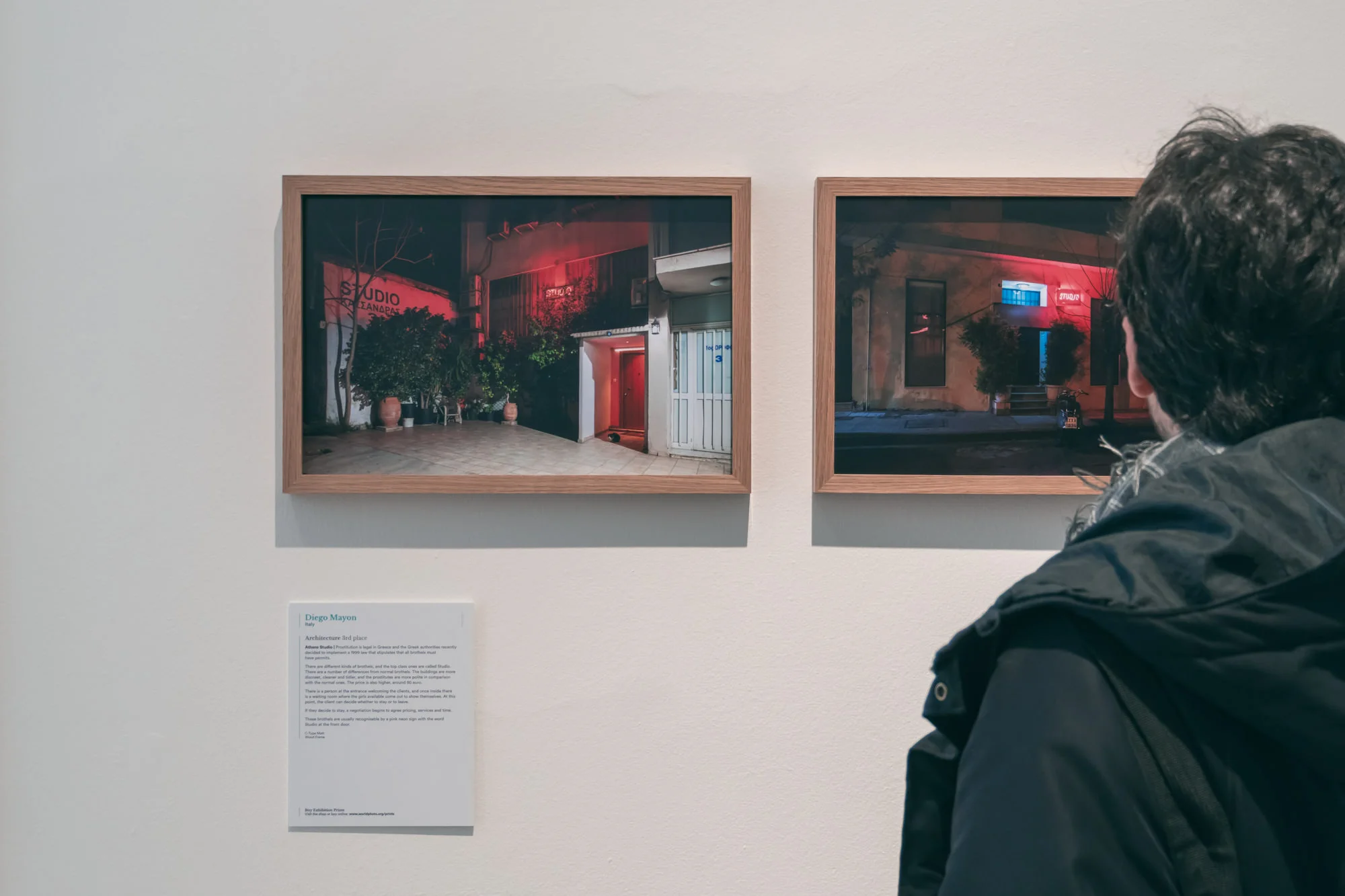
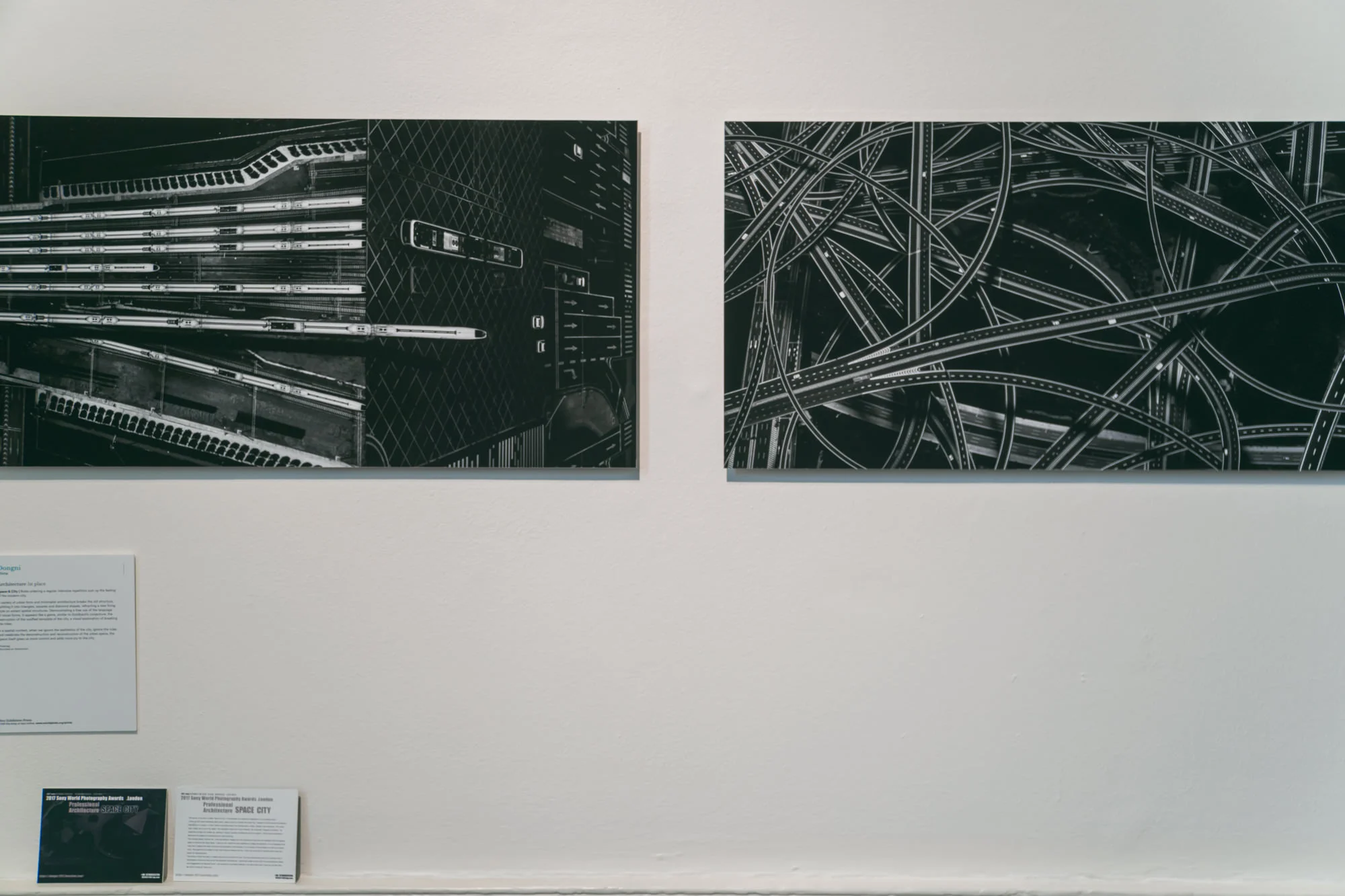
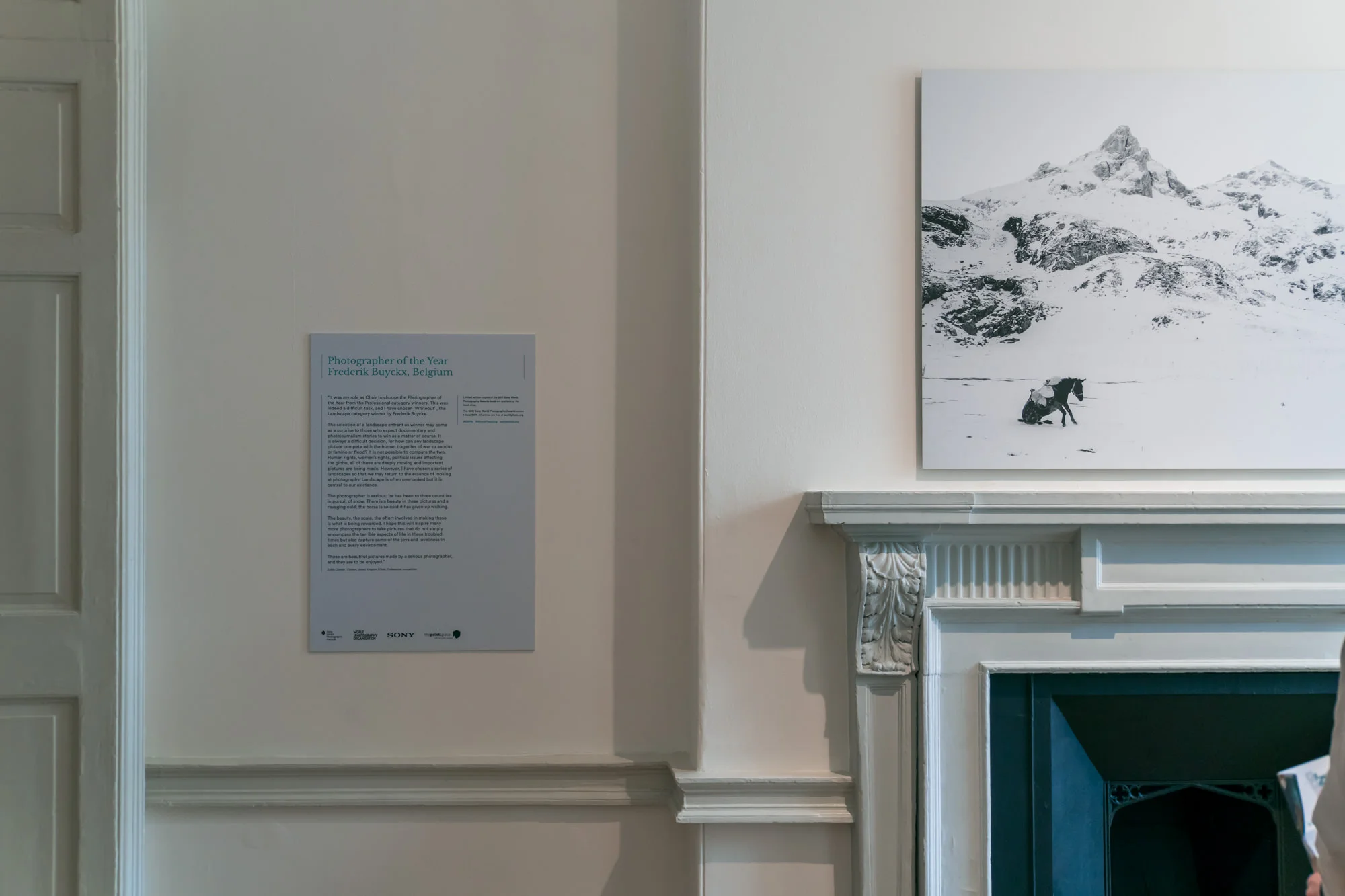
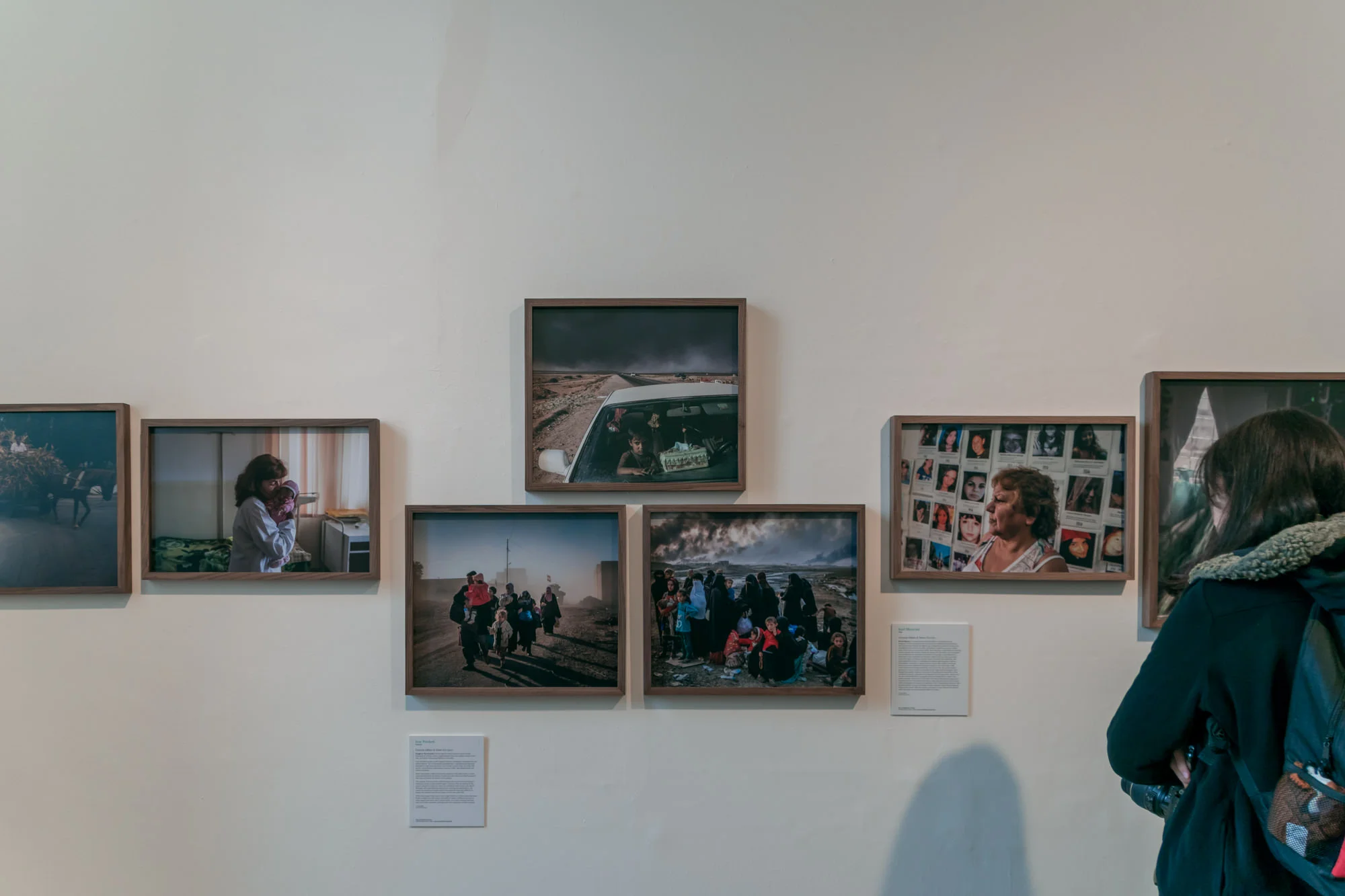
On Friday 21st April we attended the exclusive preview of the Sony World Photography Awards, with @London.
The curator of the exhibition and the winning photographers welcomed us. During the guided tour we had the opportunity to chat with them about their work.